

Choosing the right family health insurance plan can feel overwhelming. With so many options, different features, and confusing terms, families often struggle to find coverage that fits their needs and budget. Health insurance is not just about paying for doctor visits—it’s about protecting your loved ones from unexpected medical costs.
Making a smart choice can save you money and give you peace of mind. In this article, you’ll learn how to compare family health insurance plans, what really matters, and how to avoid common mistakes that many beginners make.
What Is Family Health Insurance?
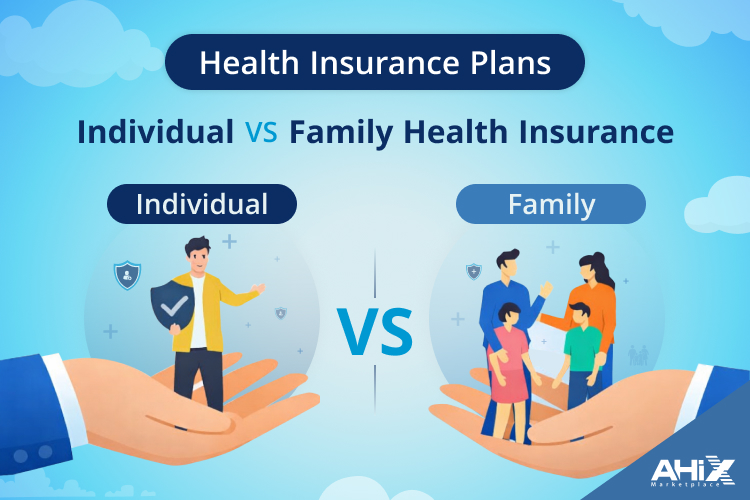
Family health insurance is a policy that covers more than one person, usually parents and their children, under a single plan. Instead of buying separate policies for each member, you get one plan with shared benefits. This is often cheaper and easier to manage.
Family plans cover things like hospital stays, doctor visits, emergency care, prescription drugs, and sometimes dental and vision.
Many families choose health insurance for:
- Financial protection against high medical bills
- Access to quality care for all members
- Preventive services like vaccinations and check-ups
But not all plans offer the same benefits or coverage. Understanding the basics helps you compare and choose wisely.
Key Factors To Compare Family Health Insurance Plans
When comparing health insurance, don’t just look at the price. There are several important factors that affect how well a plan works for your family.
| Factor | Why It Matters | Typical Range |
|---|---|---|
| Premium | Monthly cost you pay for the plan | $300-$1500/month |
| Deductible | Amount you pay before insurance starts covering costs | $500-$6,000/year |
| Copay/Coinsurance | Your share of costs for each service | $20-$50 per visit / 10%-30% |
| Out-of-Pocket Maximum | Maximum you pay in a year, after which insurance pays 100% | $3,000-$17,000/year |
| Network | Which doctors and hospitals are covered | Local/regional/national |
| Coverage | What medical services are included | Basic to comprehensive |
Premium Vs. Deductible
A lower premium means you pay less each month, but it often comes with a higher deductible. If your family rarely visits the doctor, a low premium might save money. However, if you expect regular medical expenses, a higher premium with a lower deductible might be better.
Copays And Coinsurance
These are the amounts you pay when you use medical services. For example, a copay is a fixed fee for a doctor visit, while coinsurance is a percentage of the total cost. Plans with lower copays or coinsurance may cost more upfront but save money if you need frequent care.
Out-of-pocket Maximum
This is the most you will pay in a year for covered services. After you reach this limit, insurance pays 100% of eligible costs. It’s important for families with chronic conditions or high medical needs.
Network
Most plans have a network of doctors and hospitals. Using providers inside the network costs less. If you travel or live in different cities, look for a plan with a large or national network.
Coverage
Check what the plan includes. Does it cover prescription drugs, mental health, maternity, dental, and vision? Some plans offer only basic hospital coverage, while others are more comprehensive.
Types Of Family Health Insurance Plans
Family health insurance comes in several forms. Each has strengths and weaknesses. Here are the main types:
| Plan Type | Main Features | Who Should Choose |
|---|---|---|
| HMO (Health Maintenance Organization) | Low cost, strict network, need referrals | Families who want lower premiums and don’t mind limited choices |
| PPO (Preferred Provider Organization) | More flexibility, higher cost, no referrals needed | Families who want freedom to see any doctor, often travel |
| EPO (Exclusive Provider Organization) | Medium cost, network-only coverage, no referrals | Families who use local providers and don’t need out-of-network care |
| POS (Point of Service) | Mix of HMO and PPO, need referrals for specialists | Families who want some flexibility and lower costs |
| HDHP (High Deductible Health Plan) | Very low premiums, high deductibles, can use HSA | Healthy families who rarely need care and want to save |
Understanding these types helps you match a plan to your family’s needs. For example, if your children have regular doctor visits, avoid HDHPs unless you have strong savings. If you value choice, a PPO is usually better.
Comparing Popular Family Health Insurance Plans
Let’s look at how three popular plans stack up for a typical family of four.
| Plan | Monthly Premium | Deductible | Out-of-Pocket Max | Network Size | Prescription Drug Coverage |
|---|---|---|---|---|---|
| Blue Cross Blue Shield PPO | $1,200 | $1,000 | $8,000 | National | Included |
| Kaiser Permanente HMO | $950 | $3,500 | $7,500 | Regional (West Coast) | Included |
| UnitedHealthcare EPO | $1,100 | $2,000 | $10,000 | Large (National) | Included |
Notice how the premium and deductible change with plan type. The PPO plan costs more each month, but the deductible is lower. The HMO is cheaper monthly, but you pay more before insurance starts. EPO sits in the middle. Always check the network size—if you move often or travel, a national network is safer.
How To Compare Plans For Your Family
Comparing health insurance is more than looking at prices. Here’s how to do it step-by-step:
- List your family’s needs.
- Do you have young children needing frequent care?
- Any chronic conditions or regular prescriptions?
- Are you planning a pregnancy?
- Do you need dental or vision coverage?
- Set a budget.
- Know what you can afford each month, but also consider out-of-pocket costs.
- Check networks.
- Make sure your preferred doctors and hospitals are included.
- Compare coverage.
- Look for services you use often, such as specialist visits, emergency care, or mental health.
- Review annual limits.
- Understand the out-of-pocket maximum—this protects you from big bills.
- Read plan documents.
- Don’t rely on summaries. Check the official plan documents for exclusions and fine print.
- Ask about extras.
- Some plans include wellness programs, telemedicine, or gym discounts.
- Consider customer service.
- Check reviews for claims processing and support. Poor service can make medical issues worse.
Common Mistakes When Choosing Family Health Insurance
Many families make the same mistakes when picking a health insurance plan. Avoid these traps:
- Focusing only on premium.
- Low premiums can mean high deductibles or limited coverage.
- Ignoring network restrictions.
- Out-of-network care can cost thousands of dollars.
- Overlooking out-of-pocket maximums.
- Some plans have very high limits, leaving you exposed to big bills.
- Assuming all plans cover prescriptions.
- Not all plans include drug coverage; always check.
- Skipping preventive care details.
- Some plans don’t cover routine check-ups or vaccinations fully.
- Missing hidden fees.
- Look for extra costs like emergency room charges or specialist fees.
- Not considering family size.
- Some plans limit the number of covered children or charge extra.
- Underestimating future needs.
- Choose a plan that can adapt if your family grows or changes.

Non-obvious Insights That Help Beginners
Many people don’t realize that:
- Family plans can cover dependents up to age 26 in many cases, especially on ACA-compliant plans. This can be valuable if you have college-age children.
- Some plans allow adding new family members mid-year after a qualifying event (like birth or adoption), without waiting for the next open enrollment.
- Health Savings Accounts (HSAs) paired with HDHPs can offer tax benefits, but only if you use them wisely. If you don’t save in your HSA, you may face high costs.
- Telemedicine is often included free or at low cost. This can reduce doctor visits and save money.
Real-world Example
Imagine a family of four: two adults, two children. One child has asthma, needing regular medicine and doctor visits. The parents are healthy but want coverage for emergencies. They compare a PPO and HMO.
- The PPO costs more monthly, but covers out-of-network doctors and specialists without referrals. It’s ideal if they travel or need flexibility for the child’s care.
- The HMO is cheaper, but requires using network doctors and getting referrals for specialists. If their doctors are in network and they don’t travel, this could save money.
- They notice the PPO has a lower deductible but higher out-of-pocket maximum. The HMO has a higher deductible but a lower maximum.
By comparing these details, the family can make a confident, informed choice.
Tips For Saving Money On Family Health Insurance
Health insurance can be expensive, but there are ways to save:
- Shop during open enrollment. Prices and coverage change each year.
- Check for subsidies. Many families qualify for discounts through the Affordable Care Act marketplace.
- Bundle dental and vision. Sometimes buying together saves money.
- Use preventive care. Most plans cover check-ups and vaccines at no cost.
- Review your plan yearly. Needs and prices change—don’t stick with a bad plan.
For more details on the Affordable Care Act and subsidies, visit Healthcare.gov.
Frequently Asked Questions
What Is The Best Family Health Insurance Plan?
There is no single best plan for everyone. The right plan depends on your family’s health needs, budget, preferred doctors, and location. Compare all features, not just price.
Can I Add A New Child To My Family Health Insurance Plan?
Yes, most plans let you add a newborn or adopted child. You’ll need to notify your insurer within a certain period (usually 30–60 days). Coverage starts from birth or adoption date.
What Happens If I Use An Out-of-network Doctor?
Using an out-of-network doctor usually costs much more. Some plans won’t pay anything. Always check if your preferred provider is in the network before making an appointment.
Do Family Health Insurance Plans Cover Dental And Vision?
Some plans include dental and vision, but many do not. You may need to buy extra coverage. Always check the plan details before enrolling.
How Can I Lower My Health Insurance Costs?
Ways to lower costs include choosing a higher deductible plan, using preventive care, applying for subsidies, and shopping around yearly. Also, check if your employer offers health insurance—these plans are often cheaper.
Making sense of family health insurance plans takes time and effort. But with careful comparison, understanding key factors, and avoiding common mistakes, you can find coverage that truly protects your family and fits your budget.
Read More:
- Short Term Health Insurance Plans: Fast, Flexible Coverage Options
- Private Medical Insurance UK: Top Benefits and How to Choose
- Affordable Health Insurance Quotes: Save Big on Coverage Today
- Best Private Health Insurance Plans: Top Choices for 2024
- Medicare Dental And Vision Coverage: What You Need to Know
- Medicare Supplement Plans Comparison: Find the Best Coverage
- Medicare Prescription Drug Plans: Save Big on Your Medications
- Best Medicare Advantage Plans: Top Picks for 2024 Coverage