
Medicare Prescription Drug Plans: Everything You Need To Know
Millions of Americans depend on Medicare for their health care needs, but prescription drugs can be confusing and expensive. Medicare Prescription Drug Plans, also known as Medicare Part D, help cover the cost of medicines for older adults and people with disabilities. Choosing the right plan can be tricky, and many people worry about making mistakes or paying more than necessary. This guide breaks down how these plans work, what to look for, common pitfalls, and tips to help you get the most from your coverage. If you’re new to Medicare or just want to understand Part D better, you’ll find clear answers here.
What Are Medicare Prescription Drug Plans?
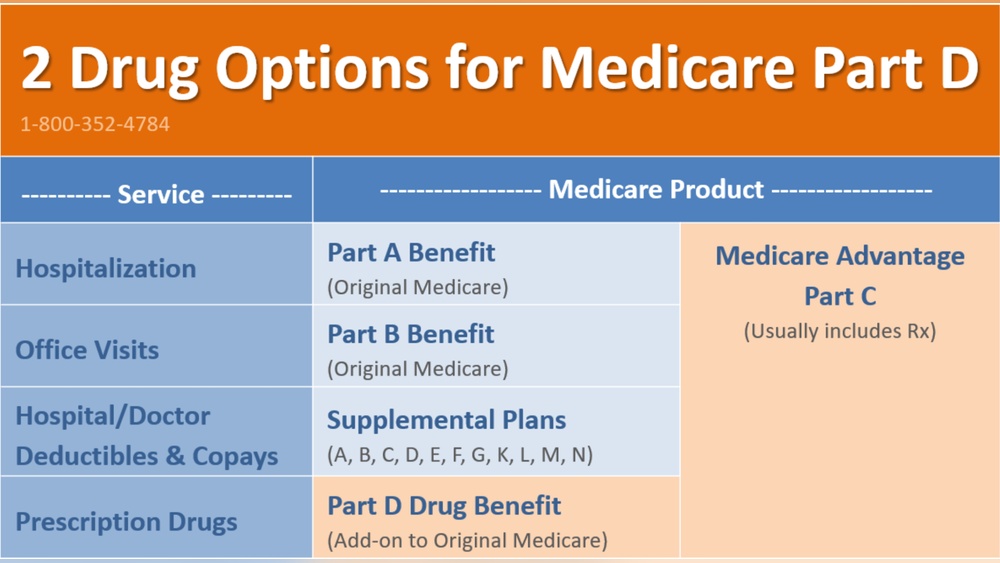
Medicare Prescription Drug Plans are private insurance policies approved by Medicare to help cover prescription medication costs. These plans are available to anyone enrolled in Medicare, but they are not included automatically. You must sign up for a Part D plan separately unless you have coverage through a Medicare Advantage plan that already includes drug coverage.
Part D plans are offered by private companies. Each plan has its own list of covered drugs (called a formulary), costs, and rules. While all plans follow basic Medicare guidelines, there are important differences you need to know.
Key Features Of Part D Plans
- Formulary: Each plan covers a specific list of drugs.
- Premiums: You pay a monthly fee to stay enrolled.
- Deductibles: Some plans require you to pay a certain amount before coverage starts.
- Copayments/Coinsurance: You pay a share of the cost for each drug.
- Pharmacy Network: Plans work with certain pharmacies; using them can save money.
Who Can Enroll?
You are eligible for a Medicare Prescription Drug Plan if:
- You have Medicare Part A and/or Part B
- You live in the plan’s service area
- You do not have other creditable drug coverage (like VA benefits)
Enrollment is usually done during the Annual Enrollment Period (October 15–December 7), but there are special periods for certain situations.
Why Medicare Part D Matters
Prescription drugs are often one of the biggest health expenses for seniors. Without Part D, you may pay full price for medicines, which can be hundreds or thousands of dollars per year. Even if you take only a few prescriptions now, your needs may change.
Having Part D coverage protects you from high costs and provides peace of mind.
Example: Average Costs Saved
According to the Centers for Medicare & Medicaid Services, people with Part D coverage saved an average of $1,000 per year on prescription drugs compared to paying out-of-pocket.

How Part D Plans Work
Medicare Part D follows a set of rules for coverage and costs, but the details can vary by plan. Understanding the process helps you avoid surprises.
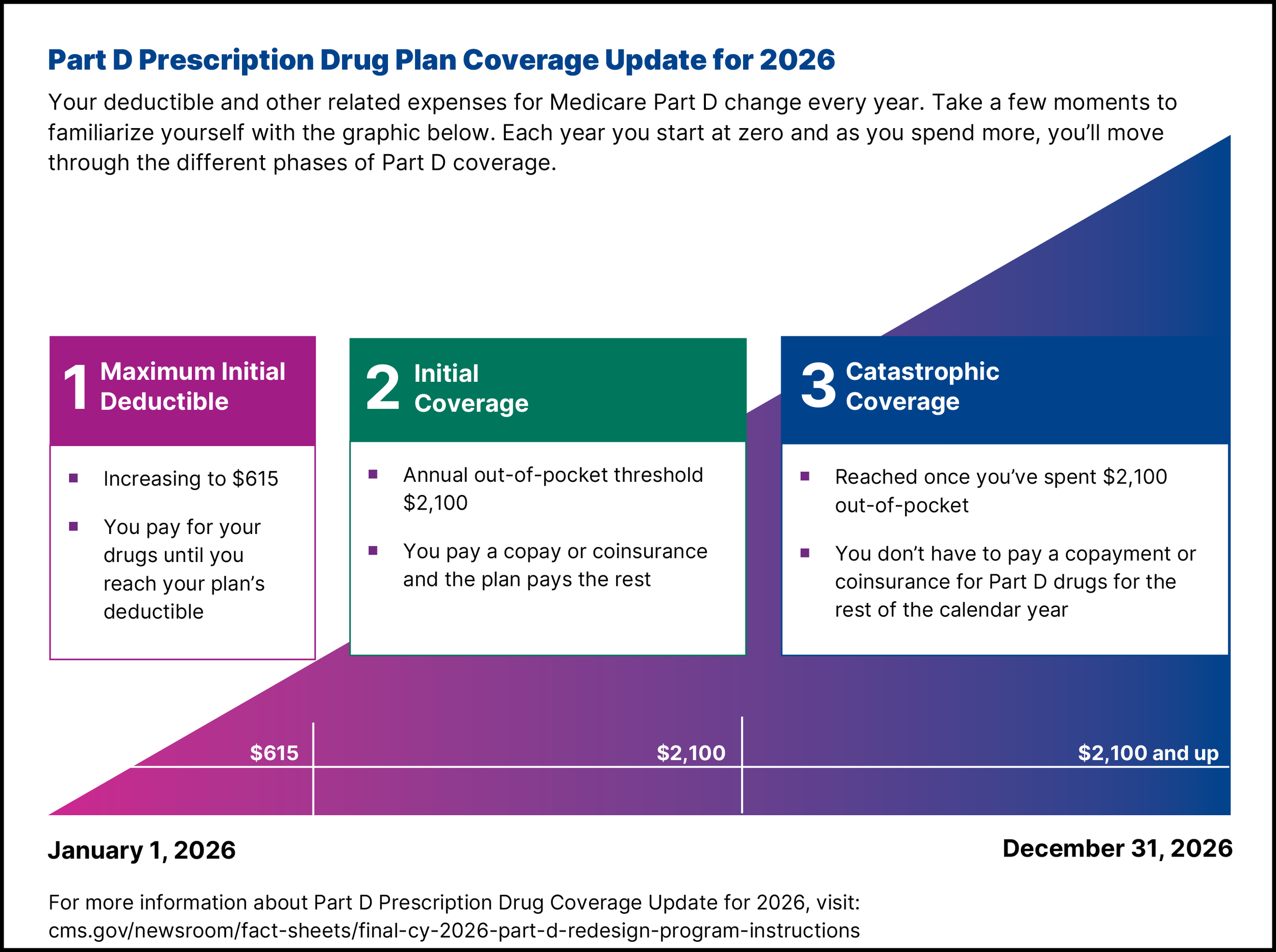
The Four Stages Of Part D Coverage
- Deductible Stage: You pay the full cost of your drugs until you reach the plan’s deductible. Some plans have a $0 deductible, others can be up to $545 (2024).
- Initial Coverage: After the deductible, you pay a copayment or coinsurance for each drug. The plan pays the rest.
- Coverage Gap (Donut Hole): Once you and your plan spend a certain amount (about $5,030 in 2024), you enter the coverage gap. You pay up to 25% of drug costs.
- Catastrophic Coverage: When your out-of-pocket spending reaches $8,000 (2024), you pay a small copay or nothing at all for the rest of the year.
Here’s a simple comparison of costs by coverage stage:
| Stage | Your Cost | Plan Pays | Typical Duration |
|---|---|---|---|
| Deductible | 100% | 0% | Start of year |
| Initial Coverage | Copay/coinsurance | Rest of cost | Until $5,030 spent |
| Coverage Gap | 25% | 75% | Next $2,970 |
| Catastrophic | Low copay or $0 | Most costs | After $8,000 spent |
What Drugs Are Covered?
Part D plans must cover a wide range of medications, but each plan chooses which drugs to include. Plans group drugs into “tiers.” Lower tiers (generic drugs) cost less, while higher tiers (brand-name or specialty drugs) cost more.
Drug Tier Example
| Tier | Type of Drug | Typical Copay |
|---|---|---|
| 1 | Preferred Generic | $2-$5 |
| 2 | Generic | $5-$10 |
| 3 | Preferred Brand | $25-$45 |
| 4 | Non-Preferred Brand | $50-$90 |
| 5 | Specialty | Coinsurance (20-33%) |
Not all plans cover all drugs. Always check the plan’s formulary before enrolling, especially if you need specific medications.

Comparing Part D Plans
Choosing a plan is not just about price. It’s about finding a plan that covers your drugs at your pharmacy and fits your budget.
What To Compare
- Premiums: Monthly cost to stay enrolled
- Deductibles: Amount you pay before coverage starts
- Drug Coverage: Does the plan cover your medicines?
- Pharmacy Network: Is your pharmacy included?
- Out-of-Pocket Costs: What will you pay for each drug?
Here’s a comparison example for three popular Part D plans:
| Plan Name | Monthly Premium | Deductible | Drug Coverage | Pharmacy Network |
|---|---|---|---|---|
| SilverScript Choice | $35 | $0 | Wide (most generics & brands) | Large, national |
| Aetna Medicare Rx Saver | $32 | $545 | Good (mostly generics) | Medium, regional |
| Humana Walmart Value Rx | $30 | $545 | Basic (generics & few brands) | Walmart only |
How To Choose The Right Plan
Picking the best plan for you depends on your prescriptions, budget, and preferred pharmacy. Here are practical steps:
- List Your Drugs: Write down all medicines you take, including dosage.
- Check Formulary: Make sure your drugs are covered and note their tier.
- Compare Costs: Look at premiums, deductibles, and copays.
- Consider Pharmacy: Is your pharmacy in the network? Using mail order may save money.
- Review Star Ratings: Medicare rates plans based on quality and customer satisfaction.
Many people miss checking their pharmacy network. If your plan doesn’t include your pharmacy, you may pay higher prices or need to switch.
Common Mistakes To Avoid
People often make costly errors when choosing or using Part D plans. Here are some to watch for:
- Ignoring the Formulary: Assuming all plans cover all drugs.
- Missing Enrollment Deadlines: Late enrollment means higher premiums or missed coverage.
- Choosing by Premium Alone: Low premiums can mean high deductibles or copays.
- Not Reviewing Annually: Drug lists and costs change every year; check your plan during open enrollment.
- Skipping Preferred Pharmacies: Out-of-network pharmacies may cost much more.
A less obvious mistake: not considering mail-order pharmacies. They can offer lower prices and more convenience, especially for maintenance medications.
Extra Help For Low-income Individuals
If you have limited income and resources, you may qualify for Extra Help (Low-Income Subsidy). This program helps pay premiums, deductibles, and copays. In 2024, people who qualify can save an average of $5,300 per year on drug costs.
To apply, visit your local Social Security office or use the online application.
What If You Have Other Coverage?
Some people have other drug coverage, such as from an employer, the VA, or Medicaid. If your coverage is creditable (as good as Medicare), you may not need Part D. If it’s not, you could face a penalty if you join Part D late.
Always check with your current provider before making changes.
Tips For Managing Drug Costs
Even with Part D, prescription drugs can be expensive. Here are ways to save:
- Use Generics: Ask your doctor if a generic alternative is available.
- Compare Pharmacies: Prices can vary, even within the plan’s network.
- Review Drug Tiers: Request drugs from lower tiers if possible.
- Appeal Decisions: If your drug isn’t covered, you can ask for an exception.
- Check for Manufacturer Coupons: Some brands offer discounts not covered by Part D.
Many people don’t realize that pharmacy prices can differ widely. It’s smart to check more than one location for your prescriptions.
The Future Of Medicare Drug Coverage
Medicare Part D continues to evolve. Recent changes include lower out-of-pocket limits and expanded coverage for vaccines. Congress may adjust drug prices and coverage rules in the coming years. Staying informed helps you make the best choices.
For updated details on Medicare Part D, see the official Medicare site: Medicare.gov.
Frequently Asked Questions
What Is The Penalty For Late Enrollment In Medicare Part D?
If you delay joining Part D when you’re first eligible and do not have creditable coverage, you pay a late enrollment penalty. This is 1% of the national base premium ($34.70 in 2024) for every month you didn’t have coverage, added to your premium for as long as you have Part D.
Can I Change My Part D Plan After Enrolling?
Yes, you can switch plans during the Annual Enrollment Period (October 15–December 7). You can also change plans during special periods, like moving to a new area or losing other coverage.
Does Part D Cover Over-the-counter Drugs?
No, Medicare Part D only covers prescription medicines listed in your plan’s formulary. Over-the-counter drugs, like aspirin or vitamins, are not covered.
What Happens If My Drug Isn’t Covered?
If your prescription isn’t on your plan’s formulary, you can ask your doctor to request a formulary exception. The plan may approve coverage if your doctor explains why you need that specific drug.
Is There A Maximum Out-of-pocket Limit For Part D?
Yes, in 2024, after you spend $8,000 on covered drugs, you enter catastrophic coverage and pay little or nothing for the rest of the year. This limit helps protect you from very high drug costs.
Choosing a Medicare Prescription Drug Plan is one of the most important health decisions you’ll make. By understanding how the plans work, comparing options carefully, and avoiding common mistakes, you can protect your health and your wallet. Stay proactive, review your coverage every year, and ask questions whenever you’re unsure.
With the right plan, you can enjoy peace of mind and better access to the medicines you need.
Read More:
- Short Term Health Insurance Plans: Fast, Flexible Coverage Options
- Private Medical Insurance UK: Top Benefits and How to Choose
- Compare Family Health Insurance Plans: Find the Best Coverage
- Affordable Health Insurance Quotes: Save Big on Coverage Today
- Best Private Health Insurance Plans: Top Choices for 2024
- Medicare Dental And Vision Coverage: What You Need to Know
- Medicare Supplement Plans Comparison: Find the Best Coverage
- Best Medicare Advantage Plans: Top Picks for 2024 Coverage