
Private Medical Insurance Uk: A Complete Guide For Non-native Readers
If you live in the UK, you probably know about the National Health Service (NHS). The NHS is a public system that gives free healthcare to most people. But sometimes, you might want faster treatment, more choices, or extra comfort. That’s where private medical insurance comes in. This article explains what private health insurance is, how it works, what it costs, and how to choose the right plan. You’ll find useful comparisons, real-life examples, and tips you won’t get from most guides. Everything is written in clear English, so it’s easy to understand—even if English isn’t your first language.
What Is Private Medical Insurance?
Private medical insurance (PMI) is a policy you buy from a company. It pays for some or all of your medical bills at private hospitals and clinics. You can use it for faster treatment, special doctors, or private rooms. Unlike the NHS, PMI is not free. You pay a monthly or yearly fee (called a premium) to get coverage.
Key Differences: Nhs Vs Private Insurance
Here’s a quick comparison to help you see the main differences:
| Feature | NHS | Private Insurance |
|---|---|---|
| Cost to Patient | Free (mostly) | Monthly/yearly premium |
| Waiting Time | Can be long | Usually short |
| Choice of Doctor | Limited | Wide selection |
| Private Room | Rare | Common |
| Coverage | Full for most needs | Limited by policy |
Many people use both systems. For big emergencies, the NHS is reliable. But for planned surgery or tests, PMI can help you get faster care and more comfort.
How Private Medical Insurance Works
If you buy PMI, your insurance company pays for medical care at private facilities. But you must use hospitals and clinics in their network. You pay the premium, and sometimes an extra excess (a small fee per claim). When you need treatment, you contact your insurer first. They approve the care and pay the bills (up to the policy limit).
What’s Covered
Most policies cover:
- Inpatient treatments (hospital stays, surgeries)
- Outpatient tests (MRI, scans, blood tests)
- Consultations with specialists
- Cancer treatment (sometimes extra options)
Some plans also include:
- Mental health care
- Physiotherapy
- Private rooms
- Dental and optical care (rare)
But PMI usually does NOT cover:
- Chronic illnesses (like diabetes, asthma)
- Emergency care (use NHS for emergencies)
- Pregnancy and childbirth (often excluded)
- Routine check-ups
Always read your policy documents. Each company is different.
Why Do People Buy Private Medical Insurance?
The NHS is good, but it has limits. Here are reasons people buy PMI:
- Faster Treatment: NHS waiting lists can be long. PMI lets you skip the queue.
- More Comfort: Private hospitals offer quiet rooms, better food, and extra privacy.
- Specialist Access: You can choose your doctor and get second opinions.
- Treatment Choices: Some drugs and treatments are only available privately.
- Peace of Mind: You know you can get care quickly if you need it.
An extra insight: Many families buy PMI for children, because they worry about NHS delays for young people. Older people sometimes skip PMI because pre-existing conditions make it expensive.
Types Of Private Medical Insurance
There are three main types:
- Individual Plans: Cover one person. Good for singles or adults with no dependents.
- Family Plans: Cover a group (usually parents and children). Often cheaper per person.
- Group/Corporate Plans: Offered by employers. Usually cheaper and more generous.
Some companies sell basic plans (only hospital care) and comprehensive plans (hospital + outpatient + extras).
Comparing Plan Types
Here’s a simple table:
| Plan Type | Who It Covers | Main Benefits | Common Limits |
|---|---|---|---|
| Individual | One adult | Flexible, easy to manage | Higher premium for older age |
| Family | Adults + kids | Discounts, shared benefits | May exclude older relatives |
| Corporate | Employees | Low cost, wide coverage | May lose coverage if you leave job |
Non-obvious tip: Some corporate plans let you add family members for a small extra fee, which is usually cheaper than buying a separate family plan.
Costs Of Private Medical Insurance
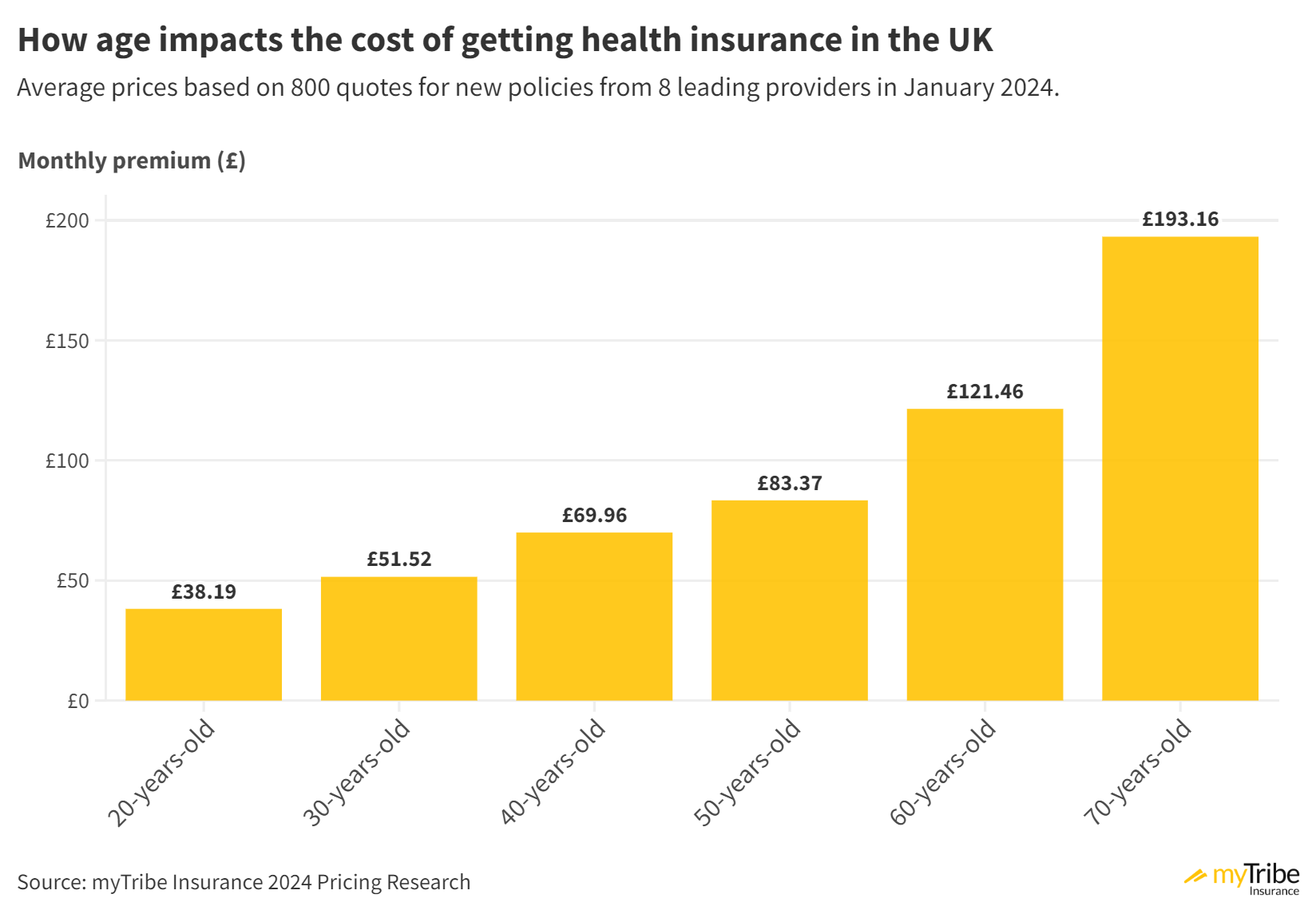
Prices vary a lot. Here are typical costs (2024):
- Individual adult (age 30): $40–$80 per month
- Individual adult (age 50): $80–$150 per month
- Family of four: $120–$250 per month
- Corporate group: $20–$60 per person per month
The price depends on:
- Age (older = more expensive)
- Location (London = higher)
- Health history (pre-existing conditions = higher)
- Level of coverage (basic vs comprehensive)
- Excess (higher excess = lower premium)
Many beginners miss this: If you agree to pay a higher excess (like $250 per claim), your monthly premium drops. But you pay more if you use the insurance.
Example
Sarah, age 35, buys a basic plan with $100 excess. She pays $55 per month. She has one hospital stay per year. Her total yearly cost is $660 (premiums) + $100 (excess) = $760.
What To Look For When Choosing A Private Medical Insurance Plan
Choosing a plan can be confusing. Here’s what matters most:
- Hospital Network: Check if your preferred hospitals and clinics are covered.
- Specialist Access: Can you choose your own doctor?
- Waiting Periods: Are there delays before you can use some benefits?
- Exclusions: What is NOT covered? Read the small print.
- Extras: Does the plan cover mental health, dental, or optical?
- Claim Process: Is it easy to make a claim? Online or phone?
- Renewal Terms: Will your premium rise after claims?
- Customer Support: Is help available when you need it?
A common mistake: People buy the cheapest plan, but later find it doesn’t cover outpatient care or their local hospital. Always check the details.

Popular Private Medical Insurance Providers In The Uk
Some well-known companies are:
- Bupa
- AXA PPP Healthcare
- Vitality Health
- Aviva
- WPA
- Freedom Health Insurance
Each provider offers different plans and extras. For up-to-date details, visit their official websites or check independent reviews.
How To Apply For Private Medical Insurance
Applying is simple, but some steps are important:
- Get Quotes: Use comparison websites or ask providers directly.
- Fill Out Health Questionnaire: You must share your medical history.
- Choose Your Plan: Decide on excess, extras, and coverage level.
- Read the Policy Documents: Understand what is and isn’t covered.
- Pay Your Premium: Set up payment monthly or yearly.
- Get Membership Documents: Keep your insurance card and info handy.
If you have pre-existing conditions, the insurer might exclude them or charge extra.

How To Use Private Medical Insurance
When you need treatment:
- Contact Your Insurer: Tell them your issue and ask for approval.
- Get a Referral: Your GP (family doctor) may need to refer you.
- Book Appointment: Choose a hospital or clinic in the network.
- Treatment: Go for your procedure, test, or consultation.
- Claim Process: The hospital bills your insurer directly, or you pay and claim a refund.
Tip: Always check with your insurer before booking. If you go outside their network, you may pay full price.
Advantages And Disadvantages
Advantages
- Faster access to treatment
- Private rooms and comfort
- Choice of specialists
- Extra treatments not available on NHS
Disadvantages
- Costly (especially for families or older adults)
- Exclusions (many chronic or emergency conditions not covered)
- Not a replacement for NHS (doesn’t cover emergencies)
Real-life Example
John, age 42, had knee pain. The NHS waiting time for surgery was 6 months. He used his PMI, got an MRI within a week, and had surgery within 2 weeks in a private hospital. He paid $70/month for insurance, plus a $150 excess for the surgery.
He recovered faster and returned to work sooner.
Common Mistakes When Buying Private Medical Insurance
- Ignoring exclusions: Not reading what is NOT covered.
- Underestimating excess: Choosing a high excess without understanding.
- Choosing wrong network: Picking a plan that excludes your local hospital.
- Not updating policy: Not telling insurer about new health issues.
- Forgetting renewal terms: Not realizing premiums can rise after claims.
Useful Tips For Non-native Readers
- Ask questions: If you don’t understand something, call the provider.
- Use translation tools: Many companies have documents in other languages.
- Check reviews: Look for feedback from other customers in your community.
- Consider group plans: Some jobs or clubs offer group insurance at lower prices.
Latest Trends And Statistics
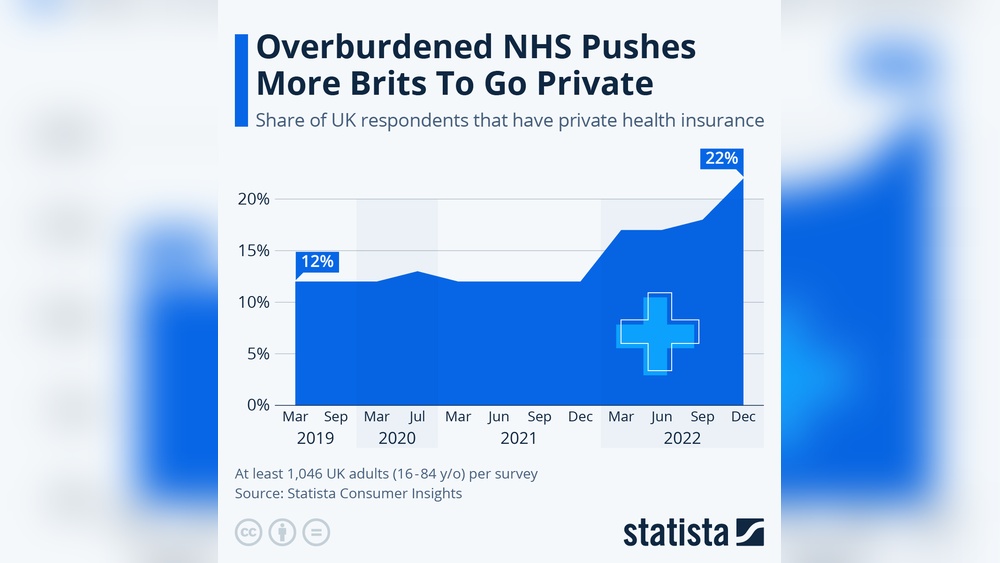
In 2023, about 4 million people in the UK had private medical insurance. That’s almost 6% of the population. The most common reason was faster access to treatment. More companies are now offering mental health coverage and online doctor visits. Some providers reward healthy habits (like gym visits) with lower premiums. For more data, visit the official UK government health statistics site: ONS Health Statistics.
Frequently Asked Questions
What Is Private Medical Insurance?
Private medical insurance is a policy you buy to cover medical costs at private hospitals and clinics. It gives you faster treatment, more comfort, and extra choices compared to the NHS.
Does Private Medical Insurance Cover Emergencies?
No. Most PMI plans do not cover emergency care. For emergencies like accidents or heart attacks, use the NHS.
Can I Keep My Nhs Doctor If I Have Private Insurance?
Yes, you can still use the NHS doctor for regular care. But for specialist treatment, PMI lets you choose from private doctors.
Is Private Medical Insurance Worth It In The Uk?
It depends on your needs. If you want faster treatment or special care, it can be valuable. But it costs money and doesn’t cover everything.
How Do I Claim Private Medical Insurance?
Contact your insurer, get approval, book your treatment, and let the hospital bill your insurer. Always check your policy before starting any treatment.
Private medical insurance in the UK offers real benefits, like speed, comfort, and choice. But it’s important to understand the costs, limits, and how to use your plan. If you’re thinking about buying PMI, use the advice above to make the best choice for yourself and your family.
The NHS is always there for emergencies and basic care, but PMI can improve your experience for planned treatments. Take your time, read the details, and ask questions before you decide.
Read More:
- Short Term Health Insurance Plans: Fast, Flexible Coverage Options
- Compare Family Health Insurance Plans: Find the Best Coverage
- Affordable Health Insurance Quotes: Save Big on Coverage Today
- Best Private Health Insurance Plans: Top Choices for 2024
- Medicare Dental And Vision Coverage: What You Need to Know
- Medicare Supplement Plans Comparison: Find the Best Coverage
- Medicare Prescription Drug Plans: Save Big on Your Medications
- Best Medicare Advantage Plans: Top Picks for 2024 Coverage